

Making a contents insurance claim after a fire, flood, leak, or other disaster can feel overwhelming. While your priority is naturally the safety of your family and property, gathering the right evidence as early as possible can make the claims process much smoother.
Many people don’t realise that the information they collect in the hours and days after an incident can significantly affect how quickly a claim is processed. Good documentation also helps restoration specialists assess whether valuable belongings can be saved rather than replaced.
At The Abbey Group, we regularly work alongside homeowners, insurers and loss adjusters, helping to assess and restore damaged contents. Here is the evidence you should keep if you ever need to make a contents insurance claim.
Photograph Everything Before Moving Items
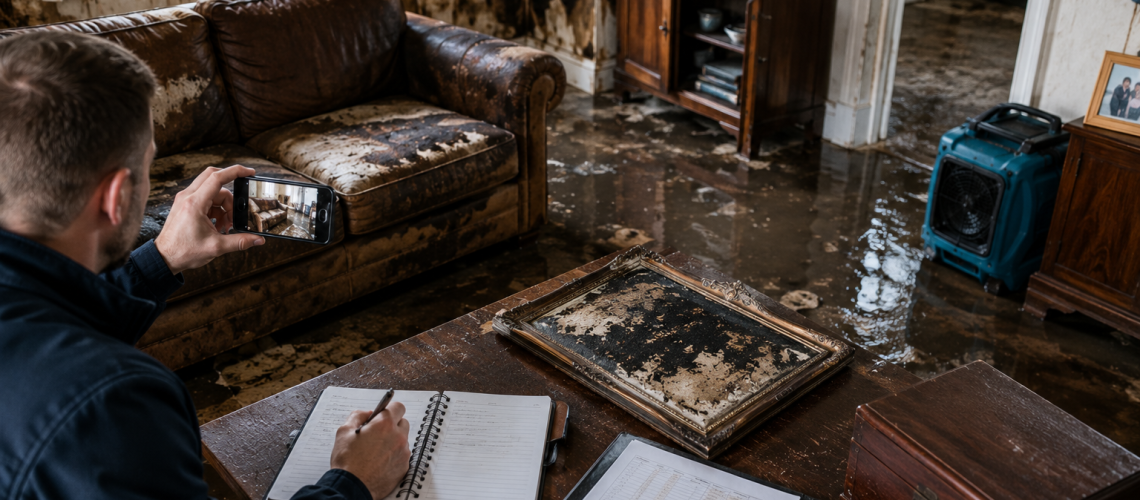
One of the first things you should do is take clear photographs of every affected room before moving furniture or personal belongings, provided it is safe to do so.
Try to capture:
- Wide photographs of each room
- Close-up images of damaged furniture
- Water levels or flood marks
- Smoke staining and soot deposits
- Ceiling damage or collapsed areas
- Damage to valuables and sentimental items
The more photographs you have, the easier it is for insurers and restoration specialists to understand the extent of the damage.
Create a List of Damaged Contents
As you work through the property, make a simple inventory of damaged belongings.
Include details such as:
- Item description
- Brand or manufacturer
- Approximate age
- Purchase price if known
- Location within the property
- Visible damage
This list doesn’t need to be perfect, but it provides an excellent starting point for your insurance claim.
Keep Receipts Where Possible
If you still have original purchase receipts, invoices or warranty documents, keep them together with your claim information.
Don’t worry if you cannot find everything. Most insurers understand that receipts are often unavailable for older furniture or inherited items.
Don’t Throw Damaged Items Away
It can be tempting to dispose of heavily damaged belongings immediately, particularly after flooding or smoke damage.
However, unless your insurer advises otherwise, avoid disposing of items until they have been inspected or documented. Even badly damaged furniture may still be suitable for professional restoration.
Record Any Emergency Expenses
If you’ve had to purchase temporary accommodation, drying equipment or emergency cleaning supplies, keep every receipt.
These costs may be recoverable under your insurance policy.
Save Any Communication
Keep copies of:
- Emails
- Claim reference numbers
- Letters
- Telephone notes
- Contractor reports
Having everything in one place makes it much easier if questions arise later.
Request a Professional Restoration Assessment
Many damaged contents can be restored rather than replaced, particularly:
- Wooden furniture
- Antique furniture
- Upholstered furniture
- Artwork
- Books
- Personal possessions
- Sentimental family heirlooms
A professional restoration assessment provides insurers with expert advice on what can realistically be recovered.
At The Abbey Group, we prepare detailed restoration reports and assessments that help insurers and loss adjusters make informed decisions while giving policyholders the best opportunity to preserve valuable belongings.
Why Good Evidence Speeds Up Insurance Claims
Clear documentation helps everyone involved understand the extent of the loss.
It can:
- Reduce delays
- Support restoration decisions
- Improve communication with insurers
- Help loss adjusters assess damage accurately
- Reduce unnecessary replacement costs
Good evidence also increases the likelihood that valuable or sentimental items will be considered for restoration instead of disposal.
Professional Restoration Can Save More Than You Think
Many people assume water, smoke or fire-damaged belongings are beyond repair. In reality, professional restoration techniques can recover a surprising number of items.
Furniture, artwork, antiques, upholstery and personal possessions can often be professionally restored, saving both money and treasured family belongings.
You can learn more about our Insurance Disaster Recovery Restoration services.
Conclusion
Keeping the right evidence after a disaster can make your contents insurance claim far less stressful. Photographs, inventories, receipts and professional assessments all help insurers understand the damage and decide on the most appropriate course of action.
At The Abbey Group, we work closely with homeowners, insurers and loss adjusters across the UK, providing professional assessments and specialist restoration services for fire, flood, smoke and water-damaged contents. If disaster strikes, we’re here to help you recover as many of your valuable and sentimental belongings as possible.